Dallas-Fort Worth Tech Market
The Dallas-Fort Worth (DFW) metroplex has emerged as one of America's most dynamic tech talent markets, combining the entrepreneurial spirit of Texas with world-class infrastructure and business-friendly policies. Home to over 7.
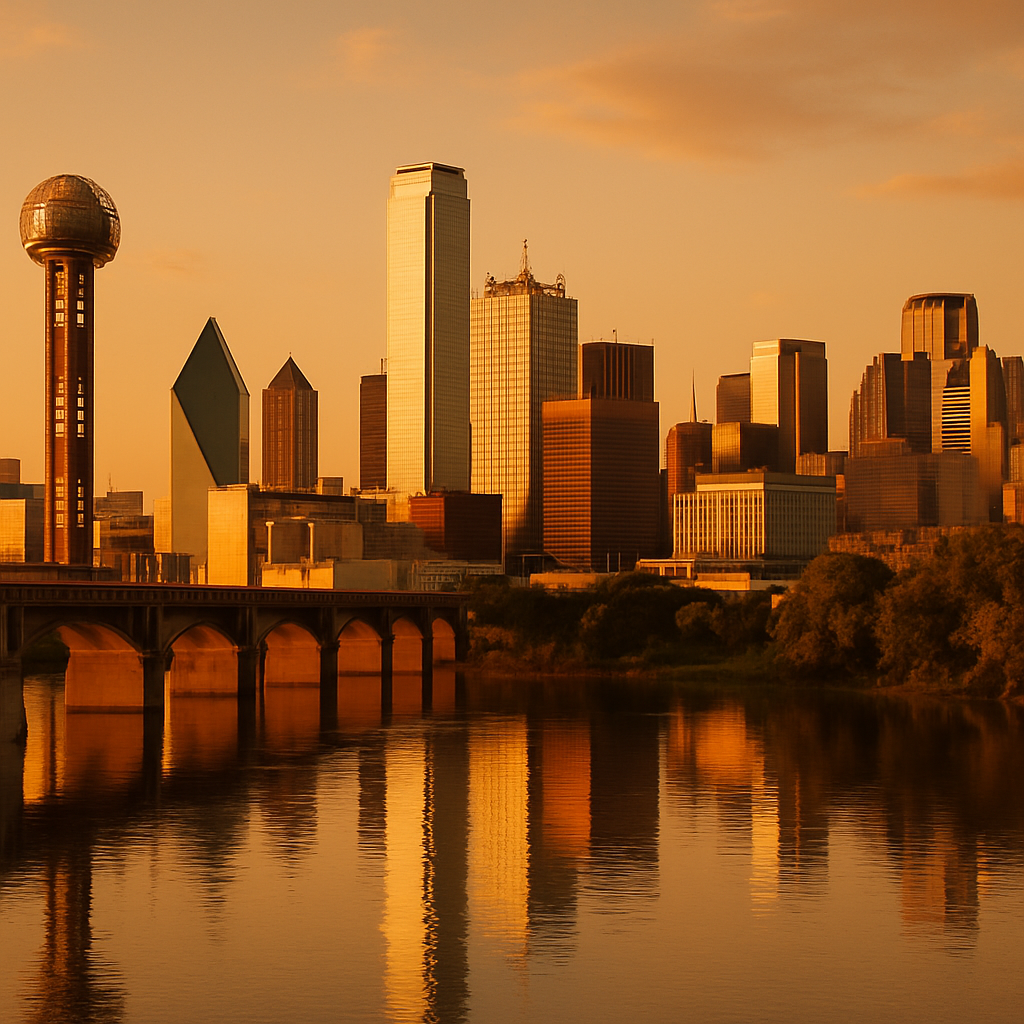
Overview
The Dallas-Fort Worth (DFW) metroplex has emerged as one of America's most dynamic tech talent markets, combining the entrepreneurial spirit of Texas with world-class infrastructure and business-friendly policies. Home to over 7.6 million residents across 13 counties, DFW represents the fourth-largest metropolitan area in the United States and has become a magnet for both established tech giants and innovative startups seeking alternatives to traditional Silicon Valley operations.
The region's tech ecosystem has experienced explosive growth, with companies attracted by Texas's lack of state income tax, relatively low cost of living, and access to a diverse, educated workforce. Major corporations like AT&T, Texas Instruments, and American Airlines have long anchored the market, while newer arrivals including Meta, Google, Amazon, and Microsoft have established significant operations, creating thousands of high-paying tech jobs. The area's strategic location, excellent transportation infrastructure, and pro-business regulatory environment have made it particularly attractive for companies looking to establish central operations serving both coasts.
DFW's tech talent market is characterized by strong demand across all experience levels, competitive compensation packages that often provide superior purchasing power compared to coastal markets, and diverse opportunities spanning everything from traditional enterprise software to cutting-edge fintech, healthtech, and aerospace technology. The region's continued population growth, ongoing corporate relocations, and substantial venture capital investment have created a robust job market where skilled tech professionals enjoy significant leverage and career advancement opportunities.
Tech Ecosystem
DFW's tech ecosystem is built on a foundation of established Fortune 500 companies complemented by a rapidly growing startup scene and increasing venture capital presence. The region benefits from major corporate headquarters that have evolved into tech powerhouses, including AT&T's massive technology operations, Texas Instruments' semiconductor innovations, and American Airlines' digital transformation initiatives. This corporate foundation provides stability and mentorship opportunities for emerging companies.
The startup scene has flourished in recent years, particularly in Deep Ellum, Uptown Dallas, and the Legacy West area in Plano. Notable success stories include Bottle Rocket (acquired by WPP), Dialexa, and numerous fintech startups taking advantage of Dallas's position as a financial services hub. The region has attracted significant venture capital attention, with firms like Silverton Partners, S3 Ventures, and Active Capital establishing strong presences. Additionally, major coastal VC firms have opened Dallas offices to tap into the growing deal flow.
The tech culture in DFW blends traditional Texas business values with innovative thinking, creating an environment that's both collaborative and results-driven. The region hosts numerous tech events, including Dallas Startup Week, various meetup groups, and conferences that foster networking and knowledge sharing. This ecosystem is supported by strong educational institutions and a growing number of coding bootcamps that continuously feed fresh talent into the market.
Major Tech Employers
For Candidates
Tech professionals in the DFW market enjoy exceptional career opportunities combined with an attractive quality of life that's increasingly difficult to find in other major tech hubs. The region offers competitive salaries that, when adjusted for cost of living, often provide superior purchasing power compared to Silicon Valley or New York. With Texas's lack of state income tax, professionals can maximize their take-home pay while enjoying lower housing costs and shorter commutes.
The job market strongly favors candidates, with multiple opportunities across all experience levels and specializations. Companies are actively competing for talent, leading to generous compensation packages, flexible work arrangements, and comprehensive benefits. The presence of both established corporations and growing startups provides diverse career paths, whether professionals prefer the stability and resources of large enterprises or the innovation and equity potential of emerging companies.
Professional development opportunities abound, with companies investing heavily in employee growth, numerous local meetups and conferences, and strong mentorship networks. The region's continued growth means early-career professionals can advance quickly, while experienced technologists often find themselves in high-demand leadership roles. Additionally, the lower cost of living enables many tech workers to achieve homeownership and build wealth more easily than in traditional tech centers.
Cost of Living
DFW offers a compelling cost of living advantage compared to traditional tech hubs, with overall living costs approximately 8-12% below the national average and significantly lower than Silicon Valley or Seattle. Housing represents the most substantial savings, with median home prices around $350k-$400k compared to over $1M in the Bay Area. Quality apartments in tech-friendly neighborhoods like Uptown Dallas, Legacy West, or Downtown Fort Worth range from $1,200-$2,500 monthly, while comparable spaces in coastal cities often cost double.
Transportation costs are reasonable, with most professionals choosing to drive given the region's car-friendly infrastructure and ample parking. The DART light rail system provides convenient connections between major employment centers, and ride-sharing options are abundant. Gasoline and vehicle registration costs remain below national averages. Daily expenses including dining, entertainment, and services are notably affordable, with excellent restaurant scenes in both Dallas and Fort Worth offering everything from food trucks to fine dining at accessible price points. The absence of state income tax further enhances purchasing power, making DFW particularly attractive for high-earning tech professionals.
Quality of Life
DFW provides an exceptional quality of life that balances urban sophistication with Texas charm and accessibility. The region enjoys a mild climate with over 230 sunny days annually, though summers can be hot and humid. Outdoor enthusiasts appreciate numerous parks, lakes, and recreational areas, including White Rock Lake, the Trinity River corridor, and nearby state parks perfect for hiking, boating, and cycling.
Culturally, the metroplex offers world-class amenities including the Dallas Museum of Art, Fort Worth's Cultural District, diverse music venues, and professional sports teams (Cowboys, Mavericks, Rangers, Stars, FC Dallas). The food scene is exceptional, blending traditional Texas BBQ and Tex-Mex with innovative cuisine from the region's diverse population. Nightlife ranges from Deep Ellum's eclectic bars to Uptown's upscale scene.
For families, DFW provides excellent schools, safe neighborhoods, and abundant family-friendly activities. The region's relatively young demographic (median age around 34) creates a vibrant social scene, while the strong job market means dual-career couples often find excellent opportunities. The central location provides easy travel access to both coasts, and the two major airports offer extensive domestic and international flight options.
For Employers
Employers in the DFW tech market benefit from access to a large, diverse, and continuously growing talent pool, combined with business-friendly policies and operational cost advantages. The region's lack of state income tax and lower operational costs allow companies to offer competitive compensation packages while maintaining healthy margins. Additionally, the central time zone facilitates business operations with both East and West Coast clients, making DFW an ideal location for companies serving national markets.
The talent pipeline is robust, fed by multiple universities, coding bootcamps, and continuous in-migration of experienced professionals from other markets. Companies find they can attract top-tier talent who are drawn by the quality of life improvements and cost savings compared to traditional tech hubs. The region's pro-business regulatory environment and streamlined permitting processes make it easier to establish and expand operations quickly.
Recruiting advantages include shorter hiring cycles compared to oversaturated markets, lower employee turnover rates, and access to professionals who are genuinely excited about the lifestyle benefits of living in Texas. Many companies also benefit from proximity to major corporate headquarters, creating partnership and client opportunities. The growing ecosystem means employers can tap into an expanding network of tech events, meetups, and professional organizations to build their employer brand and connect with potential hires.
Talent Pool
The DFW tech talent pool is characterized by its size, diversity, and rapid growth, with over 200,000 technology workers across the metroplex. The region benefits from strong local educational institutions producing fresh graduates, significant in-migration of experienced professionals from other tech markets, and a growing number of career-changers completing coding bootcamps and certification programs.
Skill distribution spans the full spectrum of modern technology needs, with particularly strong concentrations in enterprise software development, cloud technologies, cybersecurity, and data analytics. The presence of major telecommunications, financial services, and aerospace companies has created deep expertise in these domains, while newer arrivals have brought cutting-edge skills in areas like machine learning, mobile development, and DevOps practices.
Education levels are high, with approximately 45% of the metro area's adult population holding bachelor's degrees or higher. The talent pool includes significant representation from major universities like UT Dallas, SMU, TCU, and Texas A&M, as well as professionals who relocated from other markets seeking better work-life balance and cost of living. This combination creates a mature, skilled workforce that companies consistently rate highly for both technical capabilities and professional work ethic.
Competitive Landscape
The DFW hiring landscape is highly competitive, with strong demand consistently outpacing supply across most technical roles. Average time-to-hire ranges from 6-10 weeks for most positions, though this can extend for highly specialized roles or senior positions. Offer acceptance rates typically run 70-85%, with candidates often evaluating multiple opportunities simultaneously.
Salary competitiveness is crucial, but candidates also heavily weigh factors like remote work flexibility, professional development opportunities, company culture, and equity participation. The most competitive offers include comprehensive benefits packages, flexible PTO policies, professional development budgets, and clear career advancement paths. Stock options or equity participation has become increasingly important, particularly for startup and scale-up positions.
Companies that excel in this market typically emphasize their growth trajectory, technical challenges, and team culture during the recruitment process. Fast decision-making and streamlined interview processes provide significant competitive advantages, as top candidates rarely remain available for extended periods. Additionally, companies that can articulate their mission and the meaningful impact of the role tend to see higher acceptance rates, as DFW professionals often prioritize purpose-driven work alongside competitive compensation.
Salary Guide
| Role | Junior | Mid-Level | Senior |
|---|---|---|---|
| Software Engineer | $75k-$95k | $95k-$130k | $130k-$180k |
| DevOps Engineer | $80k-$100k | $100k-$140k | $140k-$190k |
| Data Scientist | $85k-$105k | $105k-$145k | $145k-$200k |
| Product Manager | $90k-$115k | $115k-$155k | $155k-$220k |
| UX Designer | $70k-$90k | $90k-$125k | $125k-$170k |
| ML Engineer | $95k-$120k | $120k-$165k | $165k-$230k |
| Engineering Manager | - | $140k-$180k | $180k-$250k |
Hot Jobs in Dallas-Fort Worth
Cloud Solutions Architect
DevOps Engineer
Data Engineer
Cybersecurity Specialist
Machine Learning Engineer
Product Manager
Full Stack Developer
Site Reliability Engineer
Mobile App Developer
Salesforce Developer
In-Demand Skills
Career Paths
Individual Contributor
Technical expertise-focused path with increasing scope and complexity of projects, mentoring responsibilities, and architectural decision-making authority.
Management
People and process management path focusing on team leadership, strategic planning, and organizational development while maintaining technical oversight.
Specialized
Deep specialization path for experts who become go-to authorities in specific technologies, leading innovation and setting technical standards across organizations.
Local Tech Scene
Universities & Programs
- University of Texas at Dallas
- Southern Methodist University
- Texas Christian University
- University of Texas at Arlington
- Texas A&M University-Commerce
- General Assembly Dallas
- Lambda School
- Coding Dojo Dallas
Tech Hubs & Neighborhoods
- Legacy West (Plano)
- Deep Ellum (Dallas)
- Uptown Dallas
- Las Colinas (Irving)
- Downtown Dallas
- Fort Worth Cultural District
- Richardson Telecom Corridor
- Frisco Station
Events & Meetups
- Dallas Startup Week
- DFW TechFest
- Dallas .NET User Group
- Dallas Python User Group
- Women in Technology Dallas
- Dallas DevOps Meetup
- DFW UX/UI Meetup
- Dallas Data Science Group
Ready to Make Your Move in Dallas-Fort Worth?
Whether you're looking for your next opportunity or building your team, TalentGraph AI can help you navigate the Dallas-Fort Worth tech market.